Skip to content
Use Case: Threat Scenario Planning

Prioritize Threats by business impact, not severity scores

Most security teams cannot answer the question that matters most: which attack scenarios would actually disrupt critical services? CyberHQ® maps real threat scenarios to your operations and control environment, so you know where you’re exposed and what to fix first.

ThreatScenarioPlanning

Simulate real-world attacks mapped to your critical services

Prioritize defenses by operational & financial impact, not just severity

Identify scenario disruption severity & know if you're prepared

Trusted by

St John WA Logo
QUT Logo
RDC AI Logo
Austrade Logo
Company Name
Company Name
Company Name
Company Name

Severity Ratings Are Not a Defense Strategy


Security teams face thousands of vulnerabilities. Every scanner produces a ranked list. Every threat feed adds more signals. None of them answer the question that matters to your board or to the regulators under SOCI Act, NIS2, and DORA: which of these scenarios would actually disrupt the services your business depends on?

MITRE ATT&CK provides structured intelligence on how threat actors operate. Most organizations use it for detection engineering, but never connect it to their own operational environment, business services, or financial exposure. Threat intelligence stays in a report. It does not become a decision.

When a real threat scenario lands, the question is not which technical alert is highest severity. It is which critical services are exposed and whether your controls can hold. Without scenario modeling tied to your actual operations, the answer is always a guess. For organizations with obligations under SOCI Act, NIS2, DORA, NIST CSF 2.0, or the ACSC Essential Eight, a guess is not defensible.

What CyberHQ® Does Differently

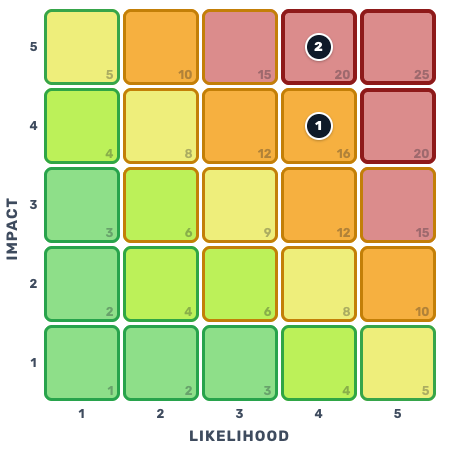
Understand real operational exposure before an attacker exploits it: map threat scenarios to the services that run your business, not just to raw assets and CVE lists

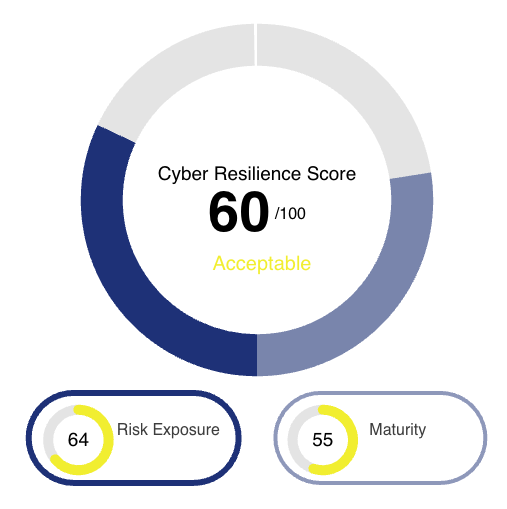
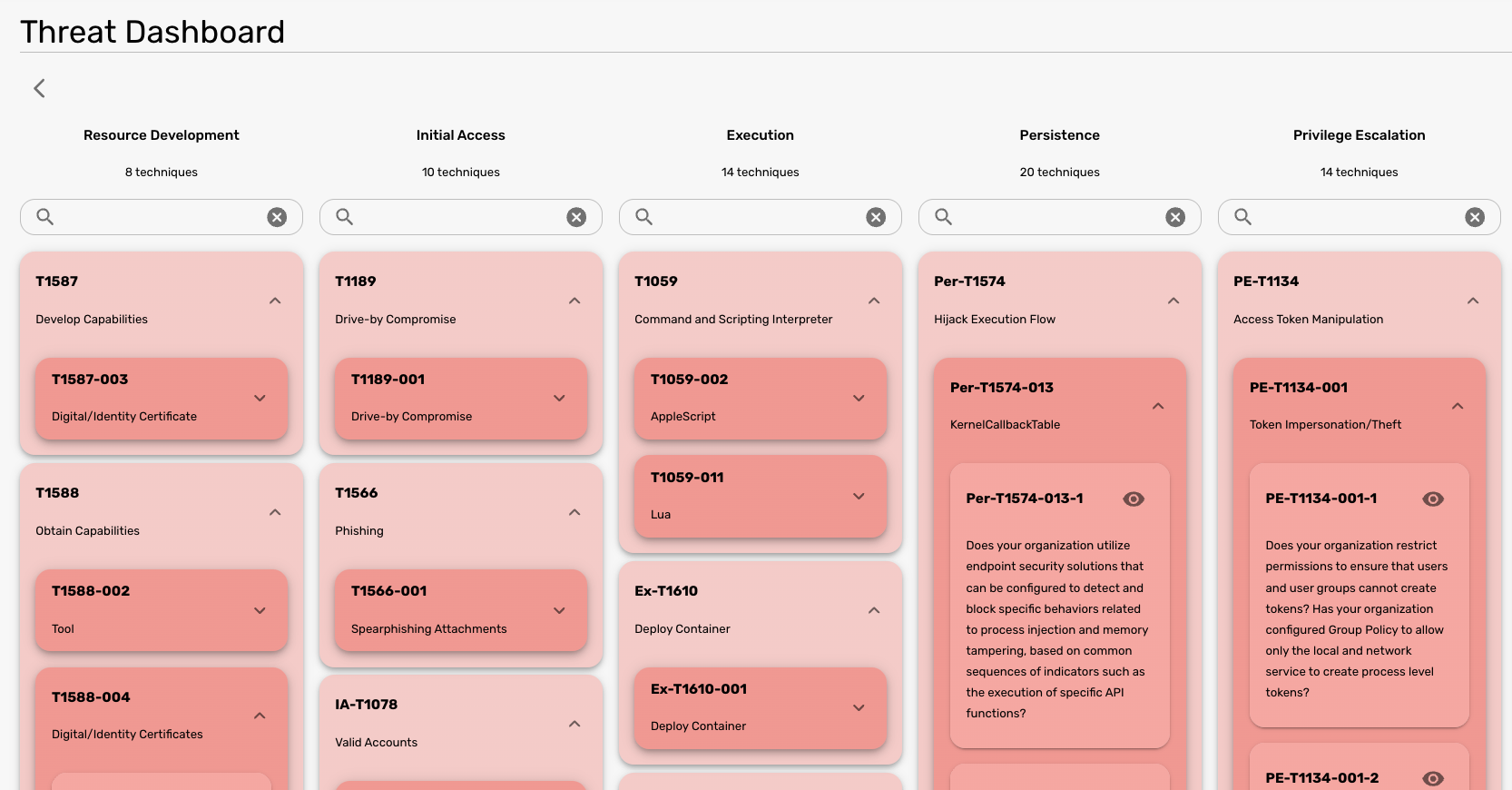
Prioritize defense based on business impact: MITRE ATT&CK intelligence mapped directly to your control environment, so actions are ranked by what actually matters to your operations.

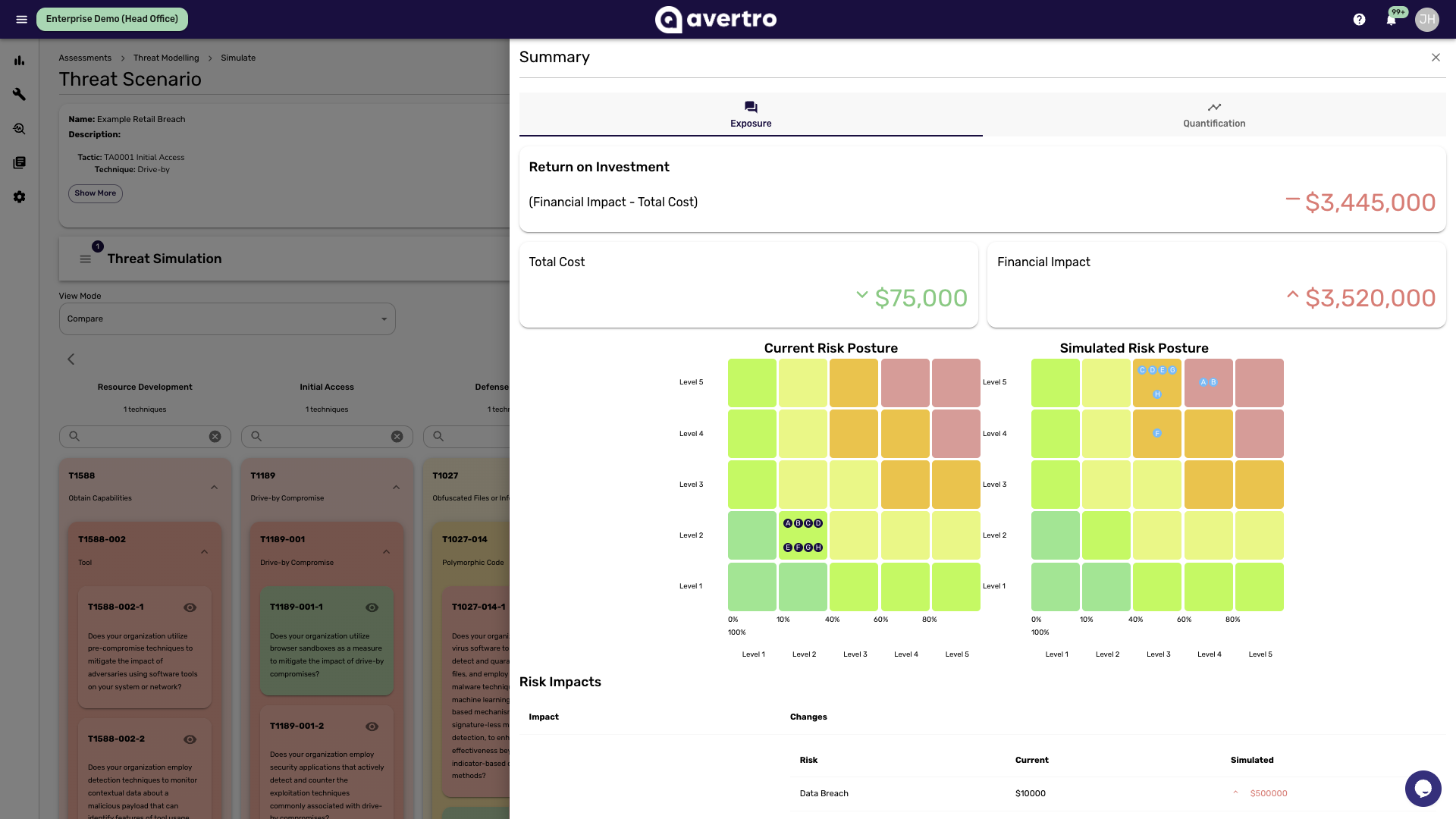
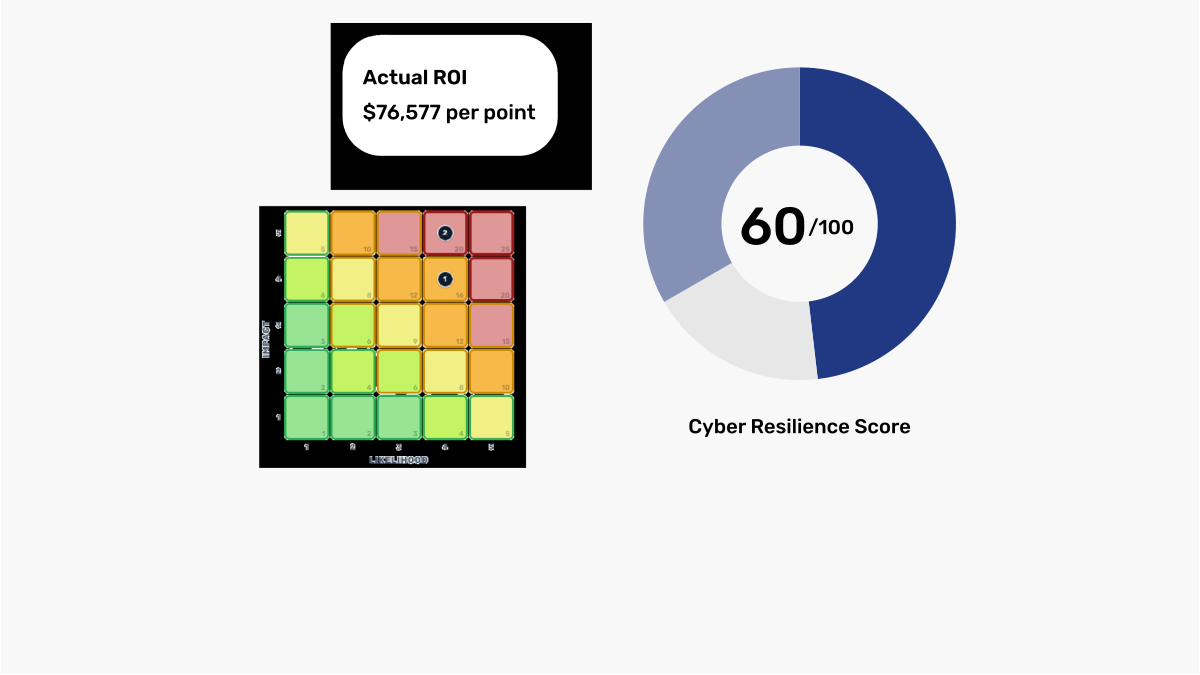
Quantify the risk profile of each threat scenario: Model impact, compare remediation options, and act on what reduces your exposure, not what scores highest on a severity list.

Screenshot 2026-06-26 at 11.04.15 am
Screenshot 2026-07-01 at 11.28.02 am
Screenshot 2026-07-01 at 11.28.37 am
Screenshot 2026-07-01 at 11.27.57 am
Screenshot 2026-07-01 at 11.35.04 am

"Very cool and much needed for the security industry. Most importantly, you immediately elevate our executive and board reporting capabilities from 1 to 10."

Major Financial Services Company

How CyberHQ® Supports Threat Scenario Planning

Three capabilities that connect threat intelligence to your real control environment and business services.

Validate Compliance Against the Threats That Actually Matter

AI Threat-Driven Strategy

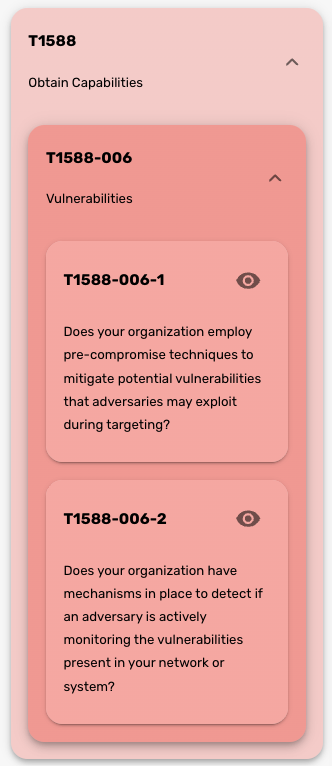
Maps the live threat landscape to your control environment using direct MITRE ATT&CK integration. CyberHQ® identifies which tactics and techniques are most relevant to your sector, evaluates your defense posture against them, and recommends prioritized actions based on actual exposure.

analytics-graph-lines-2

Threat Modeling

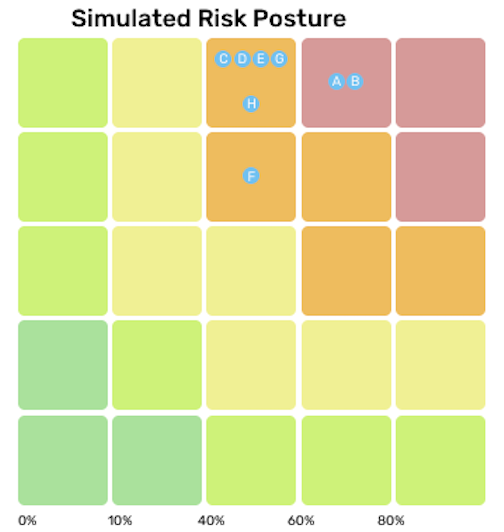
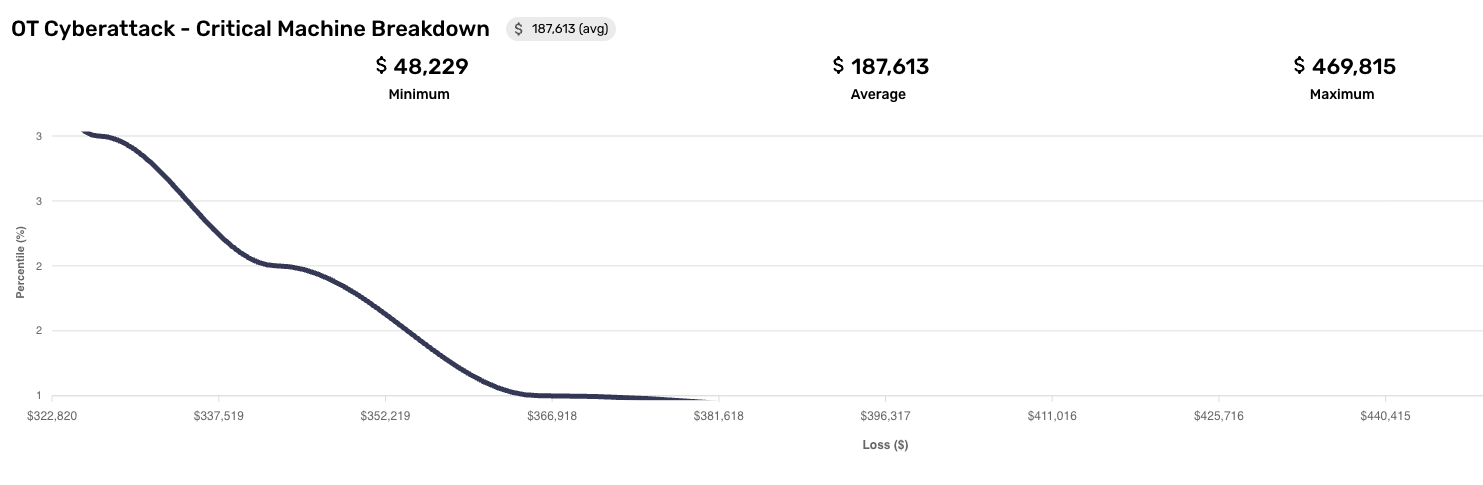
Quantifies the financial and operational exposure of specific attack scenarios against your environment, so you can model impact before a threat becomes an incident. Simulate remediation options and compare outcomes to understand where investment in threat response delivers the greatest reduction in risk.

Checklist--Streamline-Ultimate

Master Control Framework (MCF)

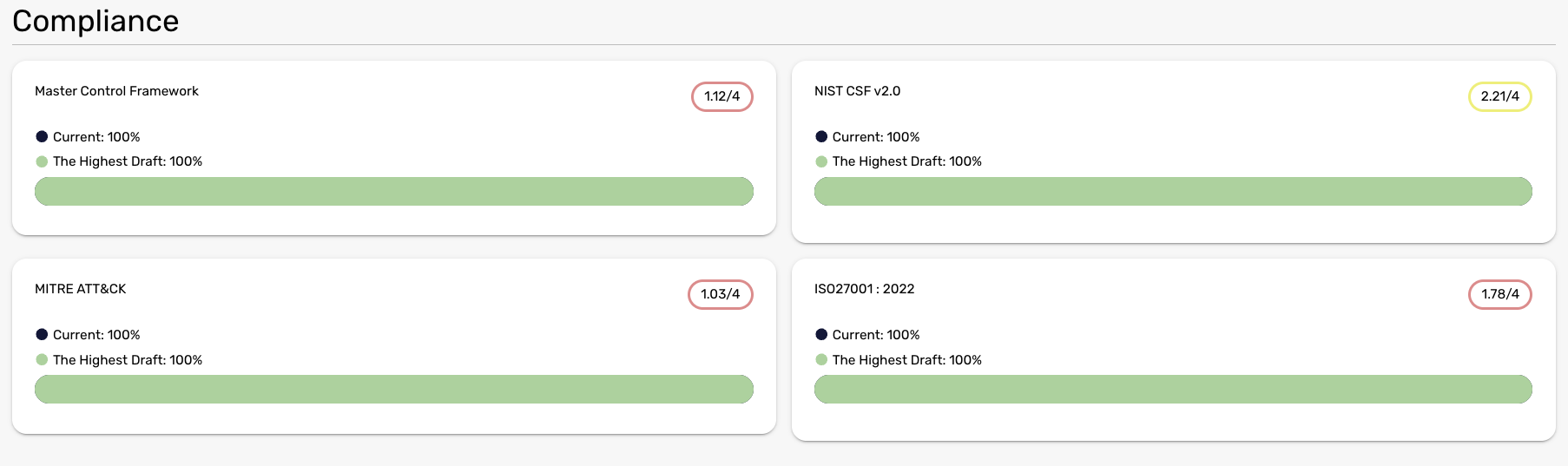
Maps every threat scenario directly to your control framework, revealing gaps in terms of real business exposure. The MCF connects threat intelligence to the controls, frameworks, and services your business depends on, including NIST CSF 2.0, ACSC Essential Eight, NIS2, DORA, and SOCI Act.

Turn Your Data into Defense Decisions

Your SIEM, EDR, and threat feeds produce signals every day. CyberHQ® reads from them, maps the threat picture to your specific business services and operations, and shows where your controls hold and where they don’t.

100+ connectors and integrations via CyberHQ® Connect, including cloud, security, IAM, OT, GRC, and third-party risk platforms

Map threat scenarios to your frameworks via the Master Control Framework (MCF). Map scenarios to frameworks including NIST CSF 2.0, ACSC Essential Eight, APRA CPS 234, SOCI Act, NIS2, DORA, and CIRCIA and unlimited custom frameworks.

The AI Threat-Driven Strategy capability recommends prioritized actions based on your actual control environment and the threat actors most relevant to your organization.

75%

reduction in manual compliance effort

90%

reduction in compliance costs

100+

integrators & connectors

20+

supported compliance frameworks

Frequently Asked Questions

How does CyberHQ® enable threat scenario planning?

CyberHQ® maps real attack scenarios to your specific control environment and business services using the AI Threat-Driven Strategy capability and direct MITRE ATT&CK integration. Rather than ranking threats by generic severity, CyberHQ® evaluates which threat actor tactics and techniques are most relevant to your organization, showing where your controls hold and where they leave critical services exposed.

Can I present threat scenario findings directly to the board?

Yes. CyberHQ®'s Enterprise Reporting Suite generates outputs in the financial and operational language boards require, without manual aggregation. Threat scenarios are translated into business impact terms: which services are at risk, what exposure means in financial terms, and what action is recommended. Boards and executives receive a clear answer and not a technical dashboard.

Can CyberHQ® quantify the financial impact of a threat scenario?

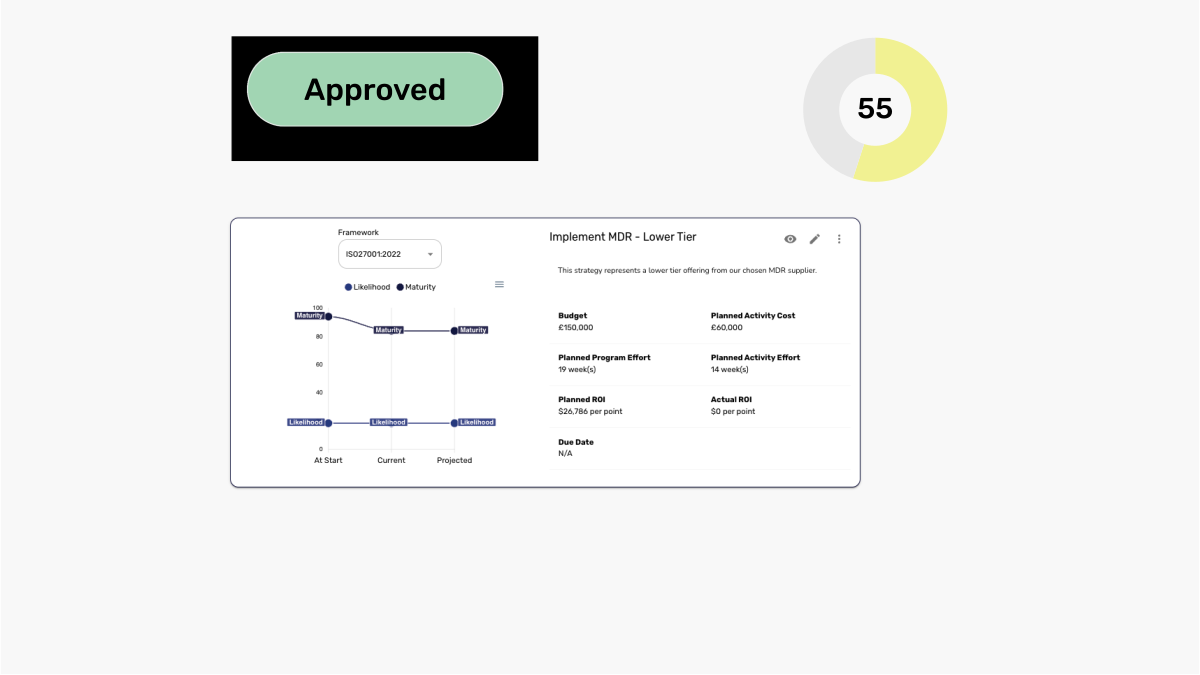
Yes. The Threat Modelling capability quantifies the financial and operational exposure of specific attack scenarios. You can model the potential impact of a scenario against your current controls, simulate remediation options, and compare financial exposure before and after. This supports both investment decisions and board-level risk reporting.

Does CyberHQ® continuously monitor for new threats automatically?

Yes. CyberHQ® ingests live data from your connected tools via CyberHQ® Connect, maintaining a continuously updated view of your control posture against the current threat landscape. As new threat intelligence is incorporated, the platform evaluates the impact against your specific environment. For capability details, see the pricing page.

How does MITRE ATT&CK mapping work in CyberHQ®?

CyberHQ® integrates MITRE ATT&CK intelligence directly into the AI Threat-Driven Strategy capability. It maps adversary tactics and techniques to your specific control posture, identifies gaps based on your actual environment, and recommends prioritized remediation actions. The output connects threat intelligence to the services and operations your business depends on - not to technical assets without business context.

What is a Cyber Resilience Command platform?

A Cyber Resilience Command Platform is the intelligence layer that sits above your existing security ecosystem and unifies what your other tools cannot connect on their own. Cyber Risk Quantification (CRQ) tools quantify risk. GRC tools track compliance. Threat tools detect attacks. Exposure tools find vulnerabilities. But they remain disconnected. CyberHQ® solves the full problem, connecting risk, threat, compliance, and business-context impact to enable clear, business-informed decisions. It does not replace your tools. It makes sense of them.

See CyberHQ® configured to your environment

Book a 30-minute interactive session to see how CyberHQ® integrates with your existing tools, frameworks and environment.